



Clear, 64°
Wind: mph,




Editor’s note: This review contains minor spoilers for “The Odyssey.”
My cousin and I have long texted the phrase “ride the wave” to each other after a particularly hard day. We’re determined people who try to steer the ship, doing everything in our power to trim the sails and point the rudder in the direction we wish to go, but sometimes the forces around us are just too powerful. You’re better off letting go and discovering wherever the wave takes you, then starting anew, because fighting nature in those circumstances can mean drowning.
“The Odyssey” was the first of Christopher Nolan’s films to touch me on a personal level because of this theme, and I doubt I am alone in this.
Myths survive throughout the eons because they are universal and reinterpreted by every generation. Complete “accuracy” to the original is impossible for a mythical tale, nor is it really desirable, whatever people on the X social media platform might think. The film retains a lot of the themes of the original myth — “nostos” (homecoming) and “xenia” (care and consideration for strangers) — while reinterpreting the story and underscoring the same modern themes Nolan loves to harp on in all of his films.
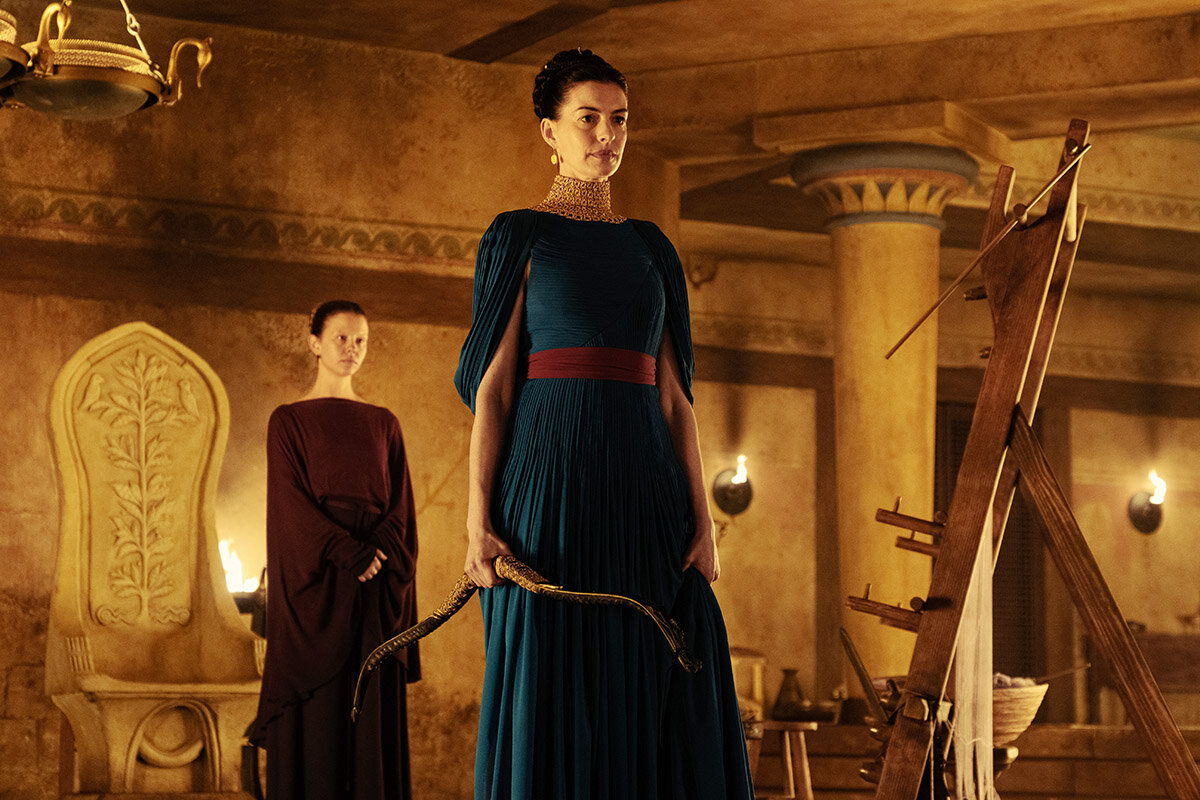
It is a spiritual sequel to “Oppenheimer” in a way — what happens when we open Pandora’s box, and introduce evils into the world that we just cannot take back? What happens when the Golden Rule is perverted or disregarded, and we can no longer trust one another? When we are unkind to those who need our help, and when those who do not need help take advantage of the kindness of others? Agency, accountability and shame, separating what belongs with us and what belongs with others — these are all explored, and explored well. It even manages to give the women of a harsher past world a more developed voice without “wokewashing.”
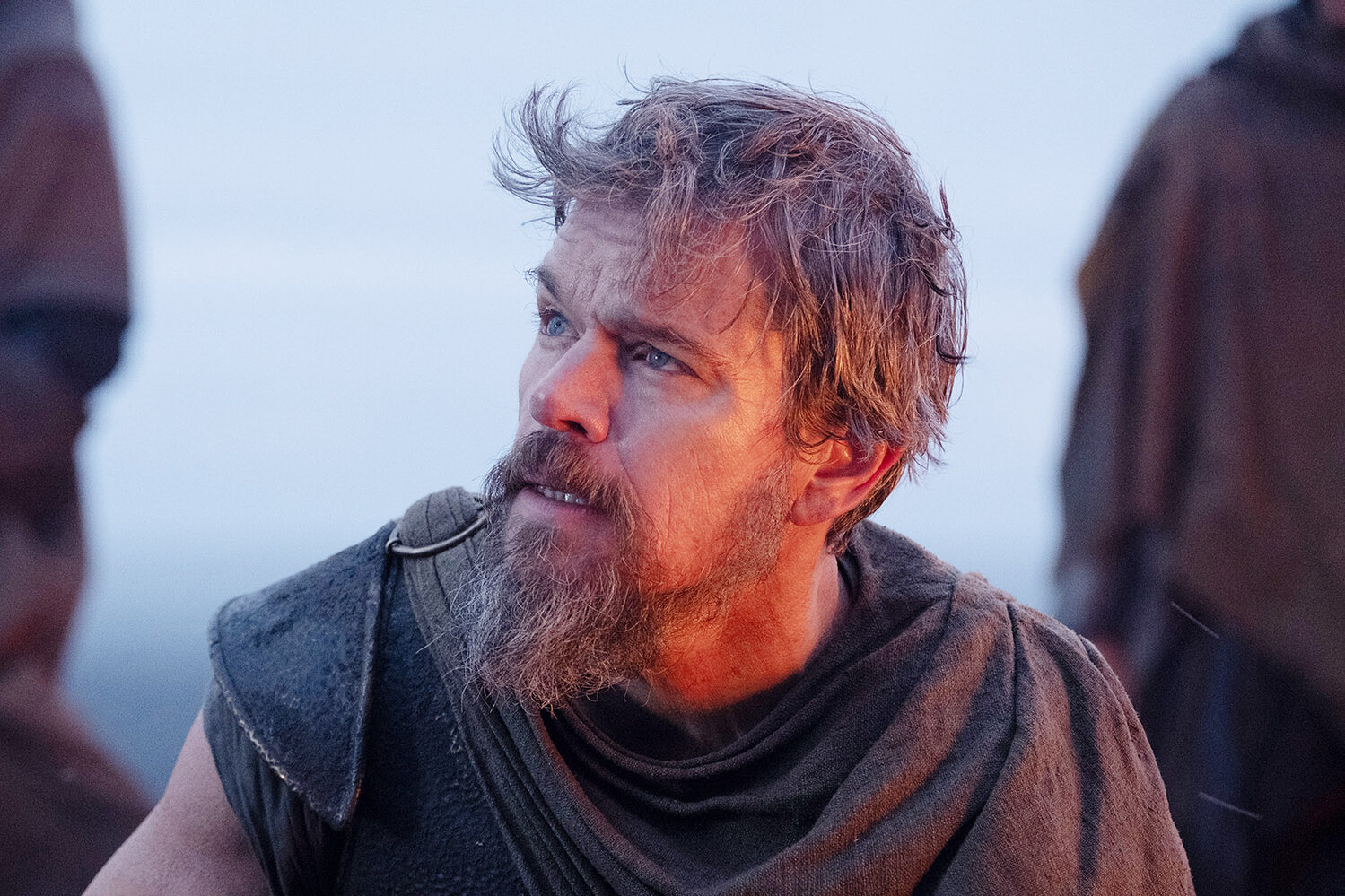
I’ll admit that I suspected “The Odyssey” might be Nolan’s first flop and not for the X mob reasons. It just felt a bit gimmicky with casting choices like Travis Scott, and Matt Damon felt wrong for the wily Odysseus — Sean Bean really did seem to align better. With the huge emphasis on star power and a relative lack of mythic experience (this seems like Robert Eggers’ wheelhouse), I was skeptical.
But this movie really, really works. Many of the billed stars hardly get any screen time — Helen is a minor character in the original anyways — and that limited time was used wisely. Rappers are modern bards, in a way, and while I wouldn’t rate Travis Scott highly on lyrical prowess, his brooding and atmospheric tone was a solid fit for Nolan’s signature grittiness.
Perhaps Nolan was going meta with his controversial choices (Lupita’s face certainly launched an online war), but I doubt it. From what I understand, Nolan stays off social media peacefully at home, and that’s probably why he is so secure in his creative decisions.
The film combines elements from other mythic stories skillfully, and this is well within the tradition. The Trojan horse, for example, isn’t actually in the “Iliad” and is barely mentioned in “The Odyssey.” He takes from other sources, like the “Aeneid,” to bring depth to the story. He combines certain elements, either to save time or to introduce new ideas — for example, having Odysseus being the one to eat the lotus drug, in an obvious attempt to symbolize disassociation, avoidance and the post-traumatic stress disorder that veterans often experience. Sometimes it works, sometimes it doesn’t, but it is all done in good faith.
The gods aren’t absent from this story, as some claim — their effects on the physical world seem very real to our characters, and Athena is personified almost as an inner voice to Odysseus. It’s more relevant to a modern audience, for sure, and almost feels Judeo-Christian at times. It acknowledges forces beyond the mythic as well; I really appreciated Odysseus’ speculation that recovering Helen was likely just a pretext for Agamemnon securing trade routes from the Trojans - a reason historians suspect may have actually caused the conflict. How would one determine who is the “most beautiful woman in the world” anyways?
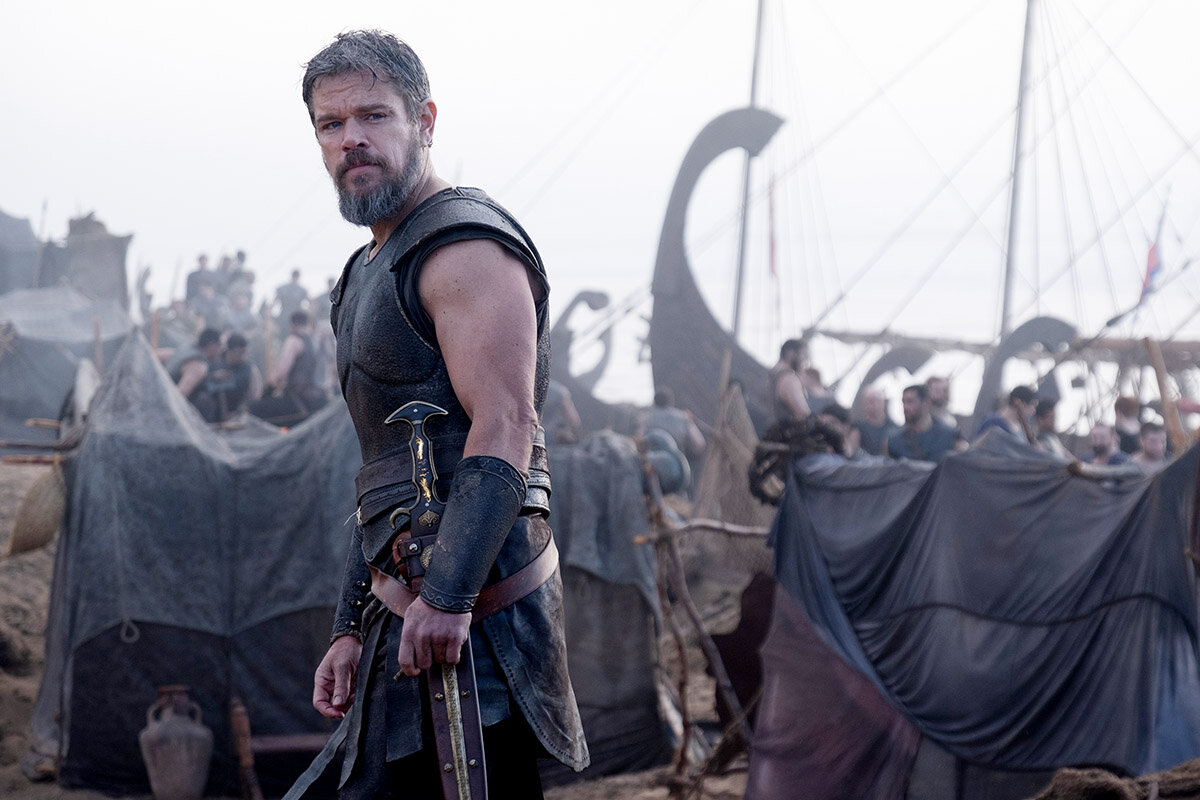
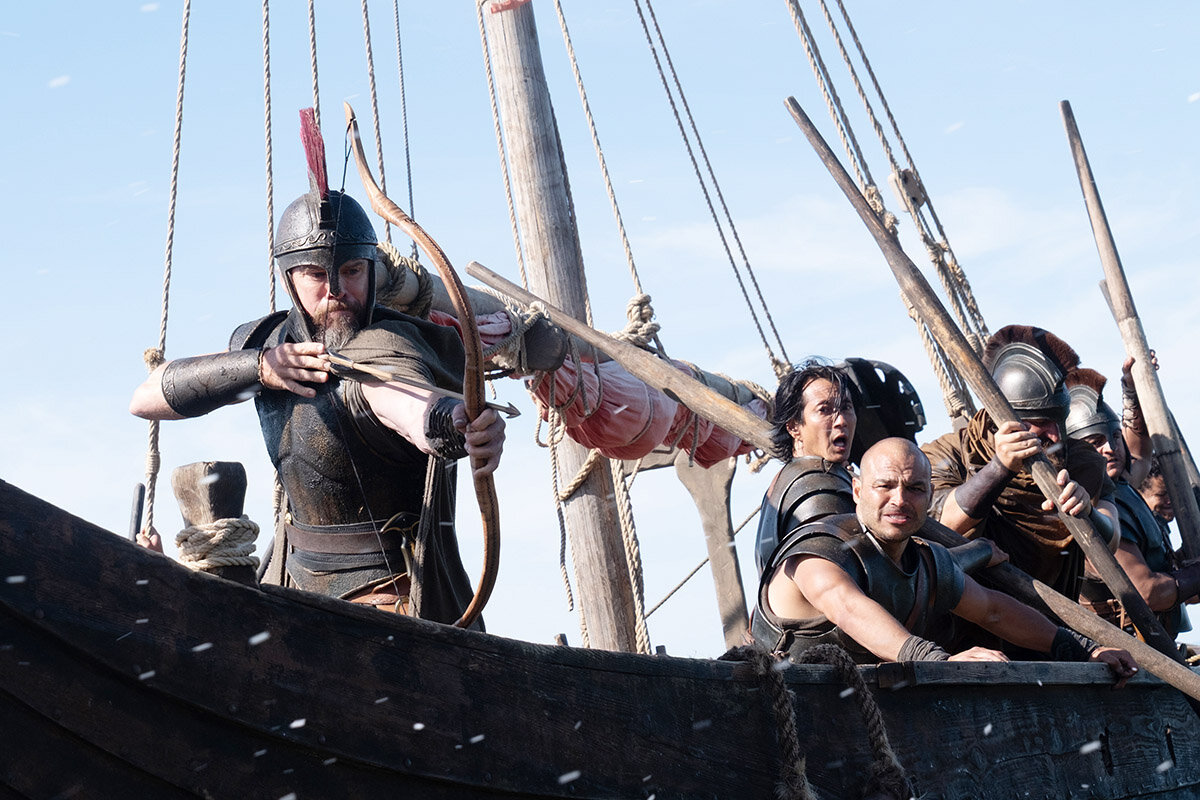
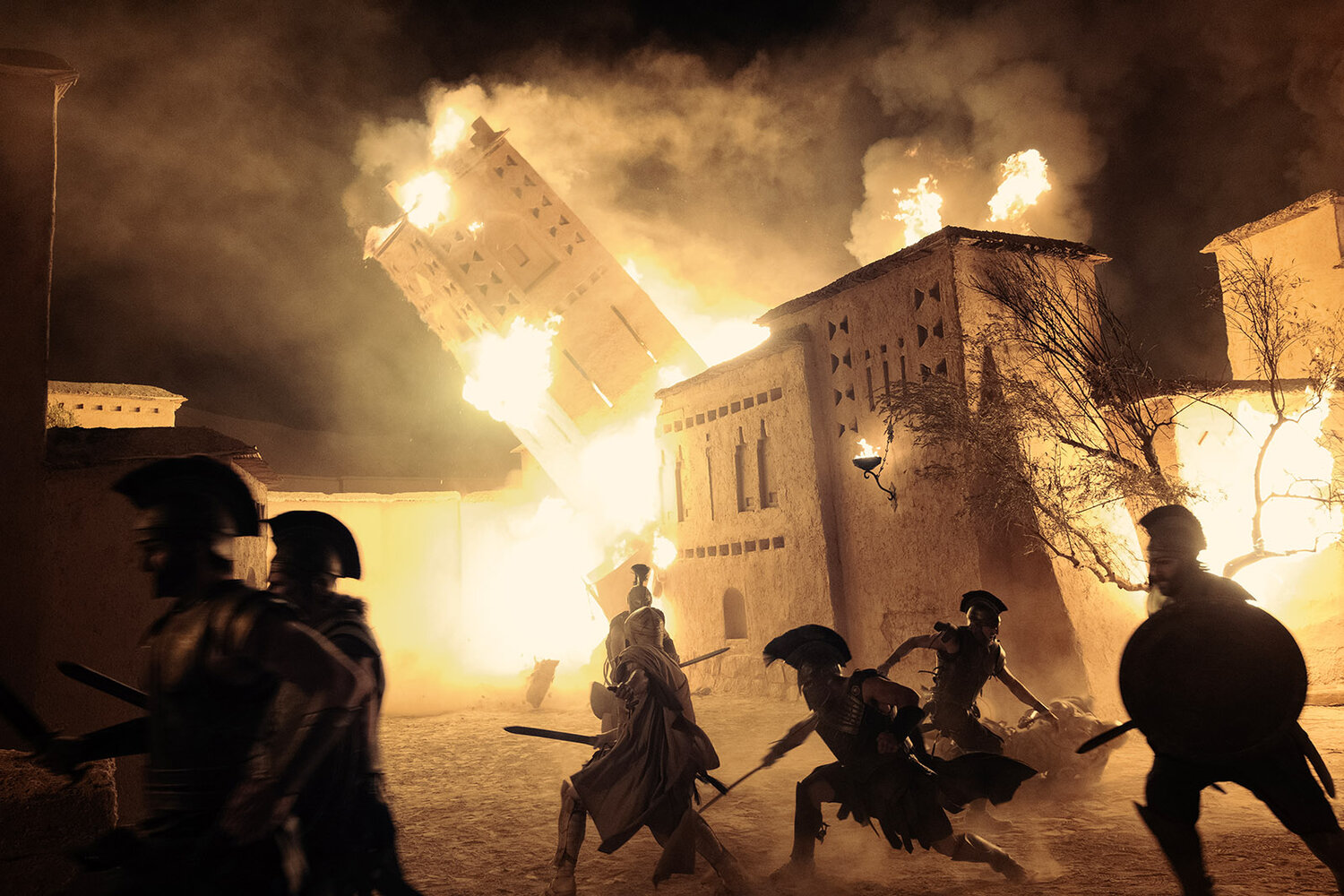
It was cool to see myths reimagined in ways I never visualized — seeing the horse without wheels, for example. Nolan managed to change elements I was concerned would fail onscreen, like the soldiers riding the bellies of sheep to escape a cave. The armor is certainly a choice and unlikely to please traditionalists, but personally I enjoyed Agammemnon’s imposing presence in particular. Characters are reimagined as well, without changing the basic facts given from the myth. I enjoyed Menelaus as a dude bro chauvinist, rather than the regal, aggrieved king he is typically portrayed as. The extensive practical effects over CGI give the world a realistic feel, and the film is absolutely worth seeing in IMAX.
It’s not perfect. Some of the dialogue choices are odd — Tom Holland calling Anne Hathaway “mom” is weird. The sound mixing has problems, again. While I like the classic Nolan grit, I think some of the levity and humor of the original could have been spared. Odysseus should have retained more of his trickster nature as well — his hubris and backfiring of his ploys would have fit the modern themes just fine.
Nonetheless, “The Odyssey” is worth watching more than once, and it might honestly be Nolan’s best work so far. For now, keep giving the man blank checks!


Comments
No comments on this item Please log in to comment by clicking here